
Sectors · Manufacturing & production
Hire foreign production staff for your Alberta plant.
Machine operators, CNC operators, assemblers, packagers, quality inspectors, material handlers and production supervisors. Upforce sources pre-vetted internationally trained candidates with documented plant experience and verifiable references. Most placements run via LMIA in 5 to 8 months where the work location is outside the restricted census metropolitan areas; francophone hires can land in 6 to 10 weeks.
-
5–8
Months to first hire via LMIA
-
$1,000+
Placement fee per production hire
-
90
Day replacement guarantee
-
6
Sub-categories of production we place into
Why this sector, why now
Why is Alberta short of production workers?
Alberta’s manufacturing base has broadened well past oil-and-gas fabrication into food processing, building products, plastics, packaging and precision machining. Those plants compete for the same shift-ready workforce as construction and resource services, and they usually lose on wage flexibility. The result is a persistent gap in the roles that keep a line running: operators, assemblers, packagers and the inspectors who sign the work off.
Upforce sources internationally trained production staff whose plant experience is documented and verified before shortlist — machine type, shift pattern, output standard, quality system. Where the role is unregulated, which most production roles are, there is no Alberta certification bottleneck, so the timeline is set by the permit rather than by credential recognition. Immigration filing is handled by our licensed RCIC partners.
How fast we move
How do you hire international production staff in Alberta?
- 01
Discovery
15-minute discovery call to scope the role
Day 1
- 02
Proposal
Written proposal with pathway and pricing
4 hours
- 03
Sourcing
Partner-office candidate sourcing
2–4 weeks
- 04
Immigration filing
by our RCIC partner
4–8 weeks
- 05
Arrival
Landing, check-in, ramp-up
1–2 weeks
Sub-categories we place into
Six production sub-categories. Different skill ceilings, different timelines.
A CNC setter is a different recruitment problem than a packaging-line operator. Upforce matches the candidate to your actual equipment, your actual quality system and your shift pattern.
- 01
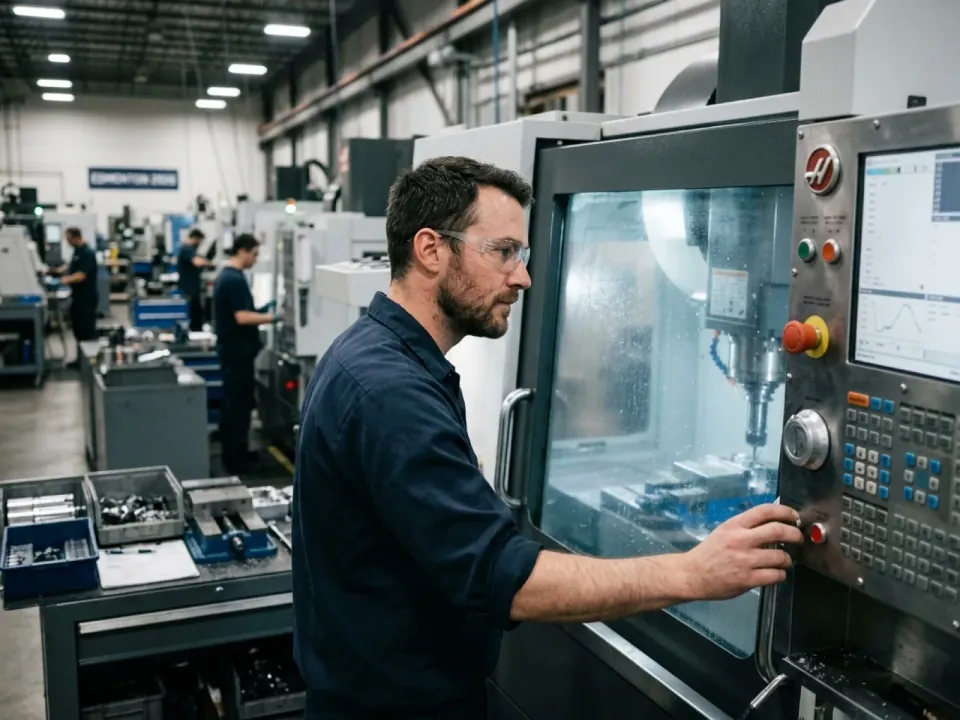
Machine and CNC operation
Who hires here: Precision machine shops, fabrication plants, parts manufacturers, tool-and-die operations.
Roles we place: CNC machinists and setters, lathe and mill operators, press operators, brake and shear operators, machine tenders.
The highest-skill category in production and the one where documentation matters most. Upforce sources operators whose experience is verified against the specific control and machine family you run, not just “CNC” as a keyword. Candidates arrive able to read the drawing, hold the tolerance and run the setup; where your shop needs programming as well as operation, we scope that separately because the candidate pool is much narrower.
- 02
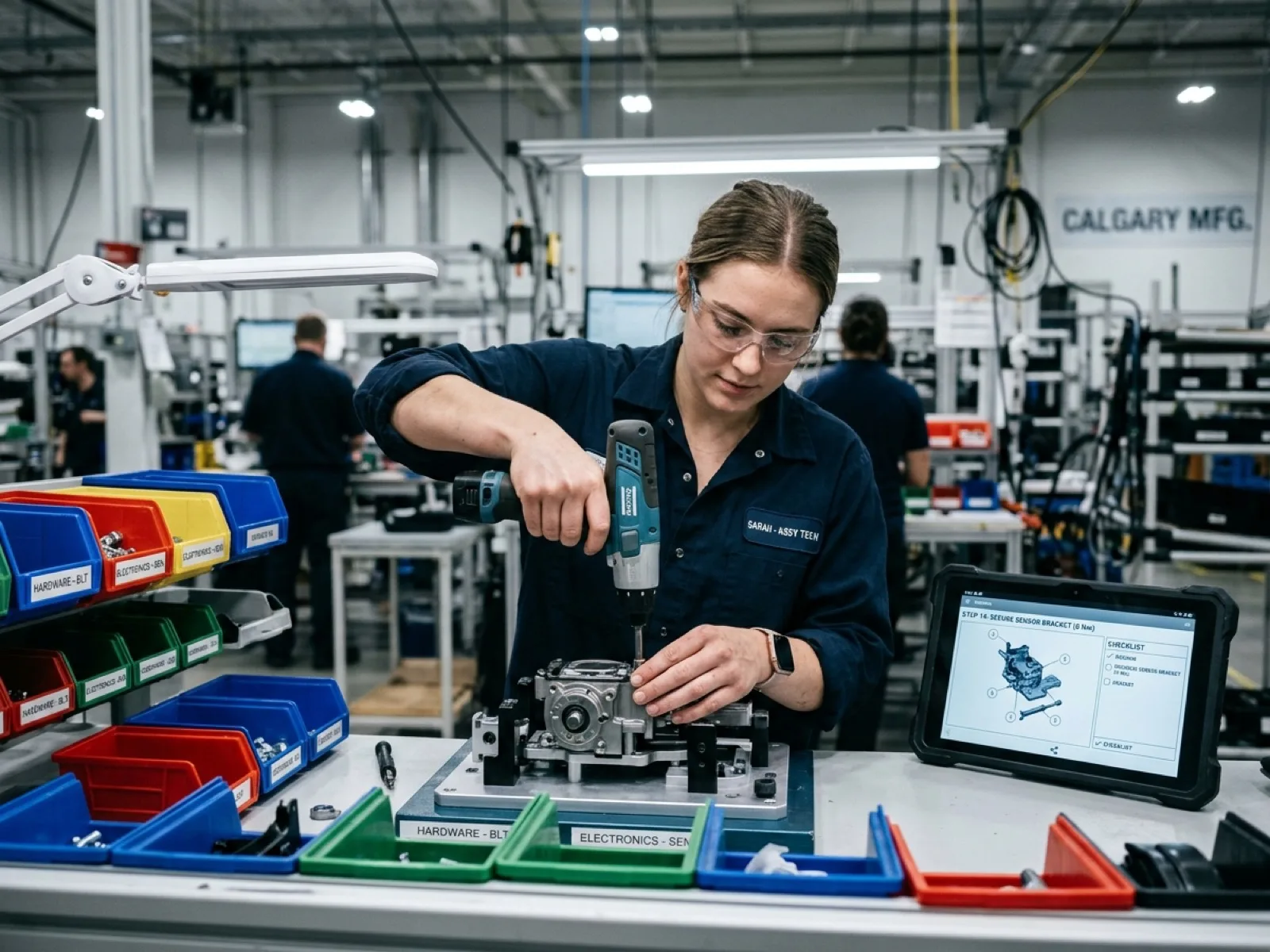
Assembly and sub-assembly
Who hires here: Equipment manufacturers, building-products plants, electronics assembly, modular and prefab operations.
Roles we place: Assemblers, sub-assembly technicians, wiring and harness assemblers, fitters, line operators.
Assembly work fails on consistency rather than capability. Upforce screens for demonstrated line experience at a comparable cycle time, plus the manual dexterity and torque discipline the role actually needs. Our partner offices verify multi-year plant references rather than accepting a CV. This is a strong volume-hiring category and one where multi-hire waves are routine.
- 03
Packaging and finishing
Who hires here: Food and beverage plants, consumer-goods manufacturers, co-packers, building-products finishing lines.
Roles we place: Packaging-line operators, palletisers, labellers, finishing and coating staff, shrink-wrap and case-pack operators.
Packaging is the fastest category to fill and the one most exposed to seasonal swings. The roles are largely unregulated, the training is on-line and short, and the constraint is reliability rather than credentials. Upforce screens for attendance record and shift-pattern fit as hard as it screens for skill, because that is what actually fails in this category.
- 04
Quality control and inspection
Who hires here: Precision manufacturers, aerospace and energy suppliers, food plants under HACCP, ISO-certified operations.
Roles we place: Quality inspectors, QA technicians, metrology staff, in-process inspectors, documentation and compliance clerks.
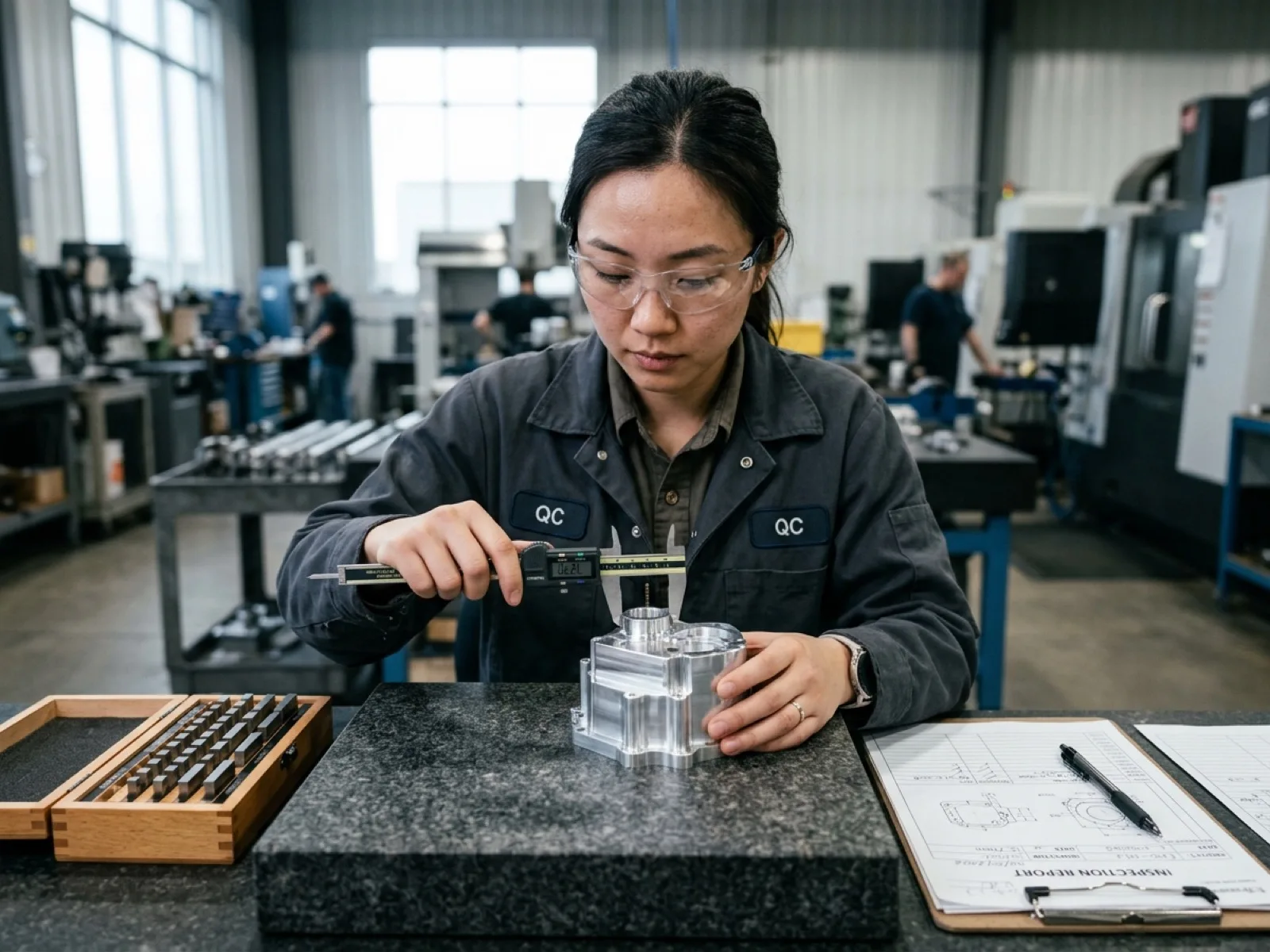
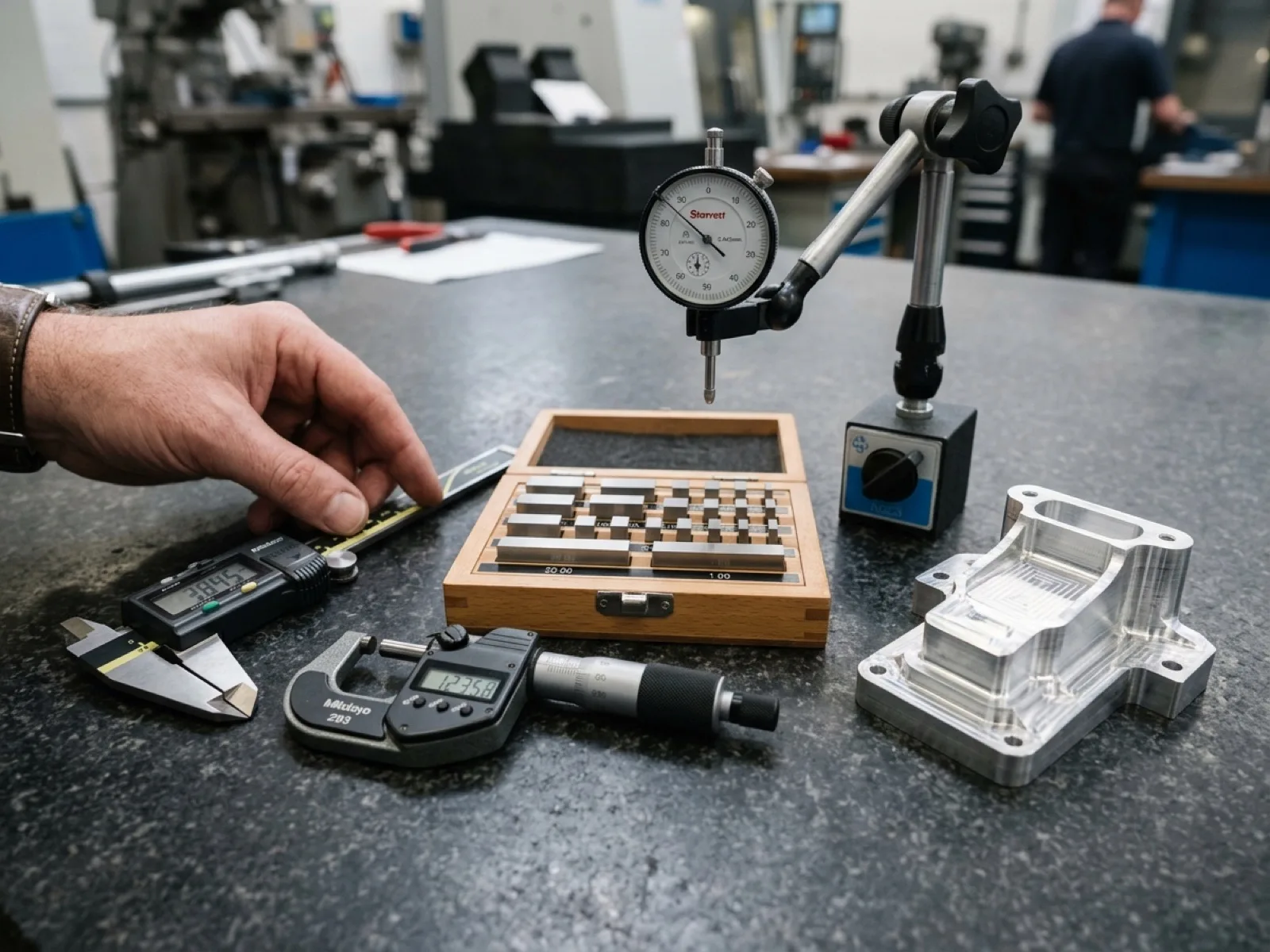
Quality roles turn on documentation discipline and measurement literacy. Upforce screens for hands-on experience with calipers, micrometers, gauges and CMM where relevant, plus prior work inside a documented quality system — ISO, HACCP or equivalent. The language level matters more here than in operating roles, because the job is partly written.
- 05
Material handling and plant logistics
Who hires here: All plant types — manufacturers with in-house warehousing, shipping departments, raw-material yards.
Roles we place: Material handlers, forklift operators, line feeders, inventory and kitting staff, plant shippers.
The roles that keep the line supplied. Certification is light — forklift tickets are employer-issued in Alberta — so this category moves quickly. Where the role sits mostly in the warehouse rather than on the line, we usually scope it against the logistics pathway instead, because the candidate pool and the screening are different.
- 06
Production leadership
Who hires here: Plants scaling a second shift, operations adding a line, manufacturers with a thin supervisory bench.
Roles we place: Line leads, shift supervisors, production planners, continuous-improvement technicians, trainers.
Leadership hires are the ones worth PR-tracking from day one, because the training investment is significant and the retention risk is what costs you. Upforce sources candidates with documented supervisory experience at comparable plant scale, and we structure these engagements so the permanent-residence pathway stays open. The PR application itself is filed candidate-side by our licensed RCIC partners.
Pathway mix for this sector
Which immigration pathway fits a production hire?
Illustrative typical mix based on Upforce engagement patterns. Each engagement is scoped to the role you actually need to fill.
How we work on manufacturing hires
Machine-matched, reference-verified, shift-scoped.
Production hires turn on whether the candidate has actually run comparable equipment at a comparable pace. Upforce sources against your specific machine family, cycle time and quality system rather than against a job title. Our partner offices verify multi-year plant references, and because most production roles are unregulated in Alberta, the hire is billable at full scope shortly after arrival. Immigration filing is handled by our licensed RCIC partners. See the full five-step process.
Manufacturing hiring FAQ
Common questions from Alberta plant managers and owners.
How long does it take to hire an international production worker in Alberta?
6 to 10 weeks via Mobilité Francophone where the candidate is francophone and the role qualifies, or 5 to 8 months via LMIA where the work location is outside the restricted census metropolitan areas. Timelines depend on IRCC processing, which we do not control.
Do production workers need Alberta certification?
Most production roles are unregulated in Alberta, so there is no provincial certification bottleneck. Forklift and equipment tickets are employer-issued and take days. That is why production timelines are set by the permit rather than by credential recognition.
Can you source operators for our specific machines?
Yes. We source against the machine family and control system you actually run, not against “CNC” as a keyword. Tell us the equipment in the discovery call and it goes into the written proposal as a screening criterion.
How much does it cost to hire an international production worker?
From $1,000 via Mobilité Francophone and $2,500 to $4,000 via LMIA, depending on the role and skill ceiling. Government fees are separate.
Can we hire a full shift in one engagement?
Yes. Multi-hire waves are routine in production and get one written proposal and one Edmonton point of contact. Grouping by category keeps the ramp-up efficient.
Can a production hire lead to permanent residence?
Employers are central to most economic PR routes, and we structure leadership and skilled-operator engagements so that pathway stays open. The permanent-residence application itself is filed candidate-side by our network of licensed RCIC partners, not by Upforce.
Hire smarter. Start in 24 hours.
Tell us which production role you need to fill and what equipment it runs. We reply with a written proposal: pathway recommendation, candidate profile target, timeline and pricing.