
Sectors · Drivers & logistics
Hire foreign drivers and logistics staff for your Alberta operation.
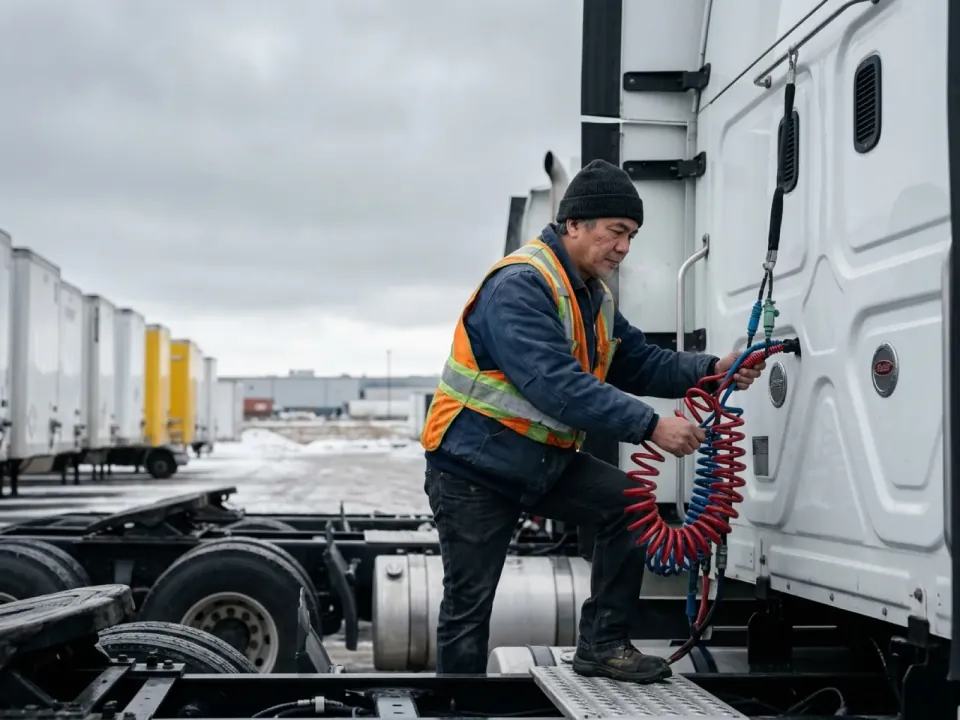
Class 1 and Class 3 drivers, delivery drivers, forklift and warehouse operators, shipper-receivers, dispatchers and yard staff. Upforce sources pre-vetted internationally trained candidates with documented licences and verifiable road or warehouse experience. Most placements run via LMIA in 5 to 8 months where the work location is outside the restricted census metropolitan areas, with Alberta licence conversion handled post-arrival.
-
5–8
Months to first hire via LMIA
-
$2,500+
Placement fee per logistics hire
-
90
Day replacement guarantee
-
6
Sub-categories of logistics we place into
Why this sector, why now
Why is Alberta short of drivers and warehouse staff?
Alberta moves freight for the whole western corridor, and the driver pool has not kept up. Class 1 in particular is a long-standing structural shortage: the domestic training pipeline is small, the median driver age keeps rising, and carriers compete for the same shrinking group of experienced operators. Warehousing has the same problem one layer down — forklift and shipper-receiver roles turn over faster than they can be backfilled locally.
Upforce sources internationally trained drivers and warehouse operators whose licences and endorsements are documented before you ever see a shortlist. We map the candidate’s home-country licence class to the Alberta conversion path in the written proposal, so you know exactly when the hire is road-legal at full scope. Immigration filing is handled by our licensed RCIC partners.
How fast we move
How do you hire an international driver in Alberta?
- 01
Discovery
15-minute discovery call to scope the role
Day 1
- 02
Proposal
Written proposal with pathway and pricing
4 hours
- 03
Sourcing
Partner-office candidate sourcing
2–4 weeks
- 04
Immigration filing
by our RCIC partner
4–8 weeks
- 05
Arrival
Landing, check-in, ramp-up
1–2 weeks
Sub-categories we place into
Six logistics sub-categories. Different licensing realities, different timelines.
A long-haul Class 1 hire is a different recruitment problem than a warehouse shipper-receiver. Upforce matches the candidate to your actual equipment, your actual lanes and your retention horizon.
- 01
Long-haul and Class 1
Who hires here: Highway carriers, bulk haulers, LTL and flatbed fleets, resource-sector transport operators.
Roles we place: Class 1 highway drivers, bulk and tanker drivers, flatbed drivers, team drivers, owner-operator support roles.
Class 1 sits on Alberta’s provincial demand list, which makes it one of the more predictable international hires in the province. Upforce sources drivers with documented commercial licences, clean abstracts and multi-year highway experience, verified through our partner offices before shortlist. Alberta conversion under the Mandatory Entry-Level Training framework is the standard post-arrival step, and we scope it into the proposal so the ramp is not a surprise.
- 02
Local delivery and Class 3
Who hires here: Distributors, food-service delivery, building-supply yards, courier and last-mile operators, service fleets.
Roles we place: Class 3 straight-truck drivers, delivery drivers, route drivers, driver-helpers, multi-drop couriers.
Local delivery is where volume hiring happens. The work is route-based, the equipment is lighter, and the licence conversion path is shorter than Class 1. Upforce sources candidates with documented commercial driving history and, where the role needs it, verified customer-facing and cash-handling experience. Multi-hire waves are common here and get a single written proposal.
- 03
Warehouse and forklift
Who hires here: Distribution centres, third-party logistics operators, wholesalers, manufacturing warehouses, cold-storage facilities.
Roles we place: Forklift operators, reach-truck and order-picker operators, material handlers, pickers and packers, cycle counters.
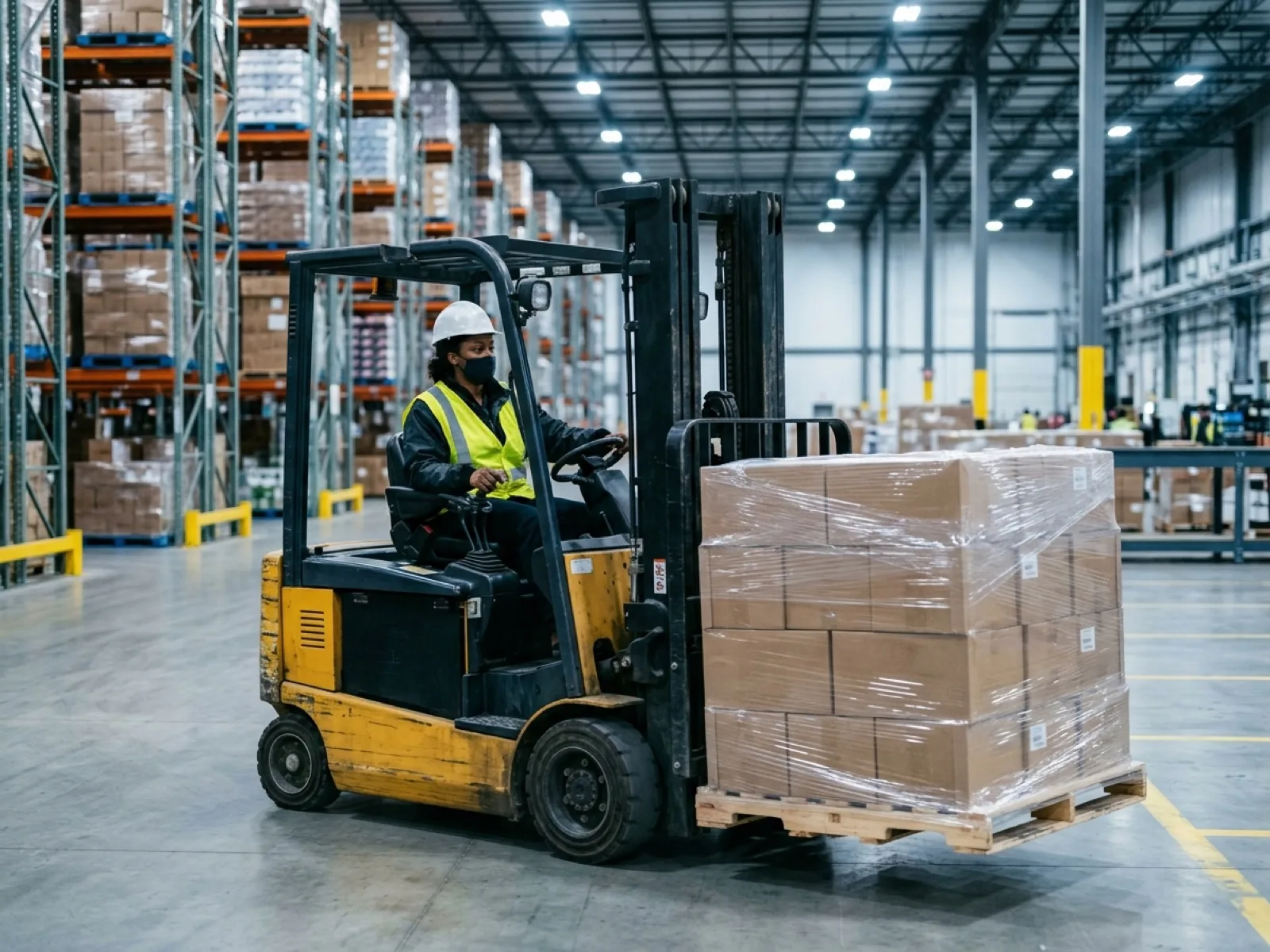
Warehouse roles are the fastest-moving category in logistics hiring because the certification burden is light — forklift tickets are employer-issued in Alberta and take days, not months. Upforce sources candidates with documented warehouse experience and, where you run a WMS, prior scanner and system familiarity. This is the category where francophone candidates most often clear quickly through Mobilité Francophone.
- 04
Shipping, receiving and inventory
Who hires here: Distribution centres, importers and exporters, parts operations, e-commerce fulfilment, manufacturing shipping departments.
Roles we place: Shipper-receivers, inventory clerks, returns and reconciliation staff, parts counter staff, warehouse administrators.
These roles sit between the floor and the office, and they fail on documentation discipline rather than physical capability. Upforce screens for exactly that: prior experience with bills of lading, packing slips, customs paperwork and inventory systems, plus the language level the role actually demands. Our partner offices verify the work history rather than taking a CV at face value.
- 05
Dispatch and coordination
Who hires here: Carriers, freight brokers, third-party logistics operators, service fleets, distribution operations.
Roles we place: Dispatchers, load planners, fleet coordinators, transport administrators, customer-service coordinators.
Dispatch is a language-and-judgement role before it is a logistics role. Upforce screens for demonstrated dispatch or coordination experience, comfort under interruption, and the spoken-language level the desk actually requires — which is usually higher than the operating roles it supports. Bilingual candidates are a genuine advantage here and are common through our Francophone Africa partner offices.
- 06
Yard, fleet support and maintenance
Who hires here: Carriers with in-house shops, equipment yards, distribution operations, transport terminals.
Roles we place: Yard hostlers and shunt drivers, tire technicians, trailer maintenance staff, fuel-island attendants, wash-bay staff.
The support roles that keep a fleet moving are chronically hard to fill locally and rarely advertised well. Upforce sources candidates with documented yard or shop experience and the safety record to match. Where the role touches heavy-duty mechanical work, we scope it against the trades pathway instead, because the certification path is different.
Pathway mix for this sector
Which immigration pathway fits a logistics hire?
Illustrative typical mix based on Upforce engagement patterns. Each engagement is scoped to the role you actually need to fill.

How we work on logistics hires
Licence-mapped, abstract-verified, lane-scoped.
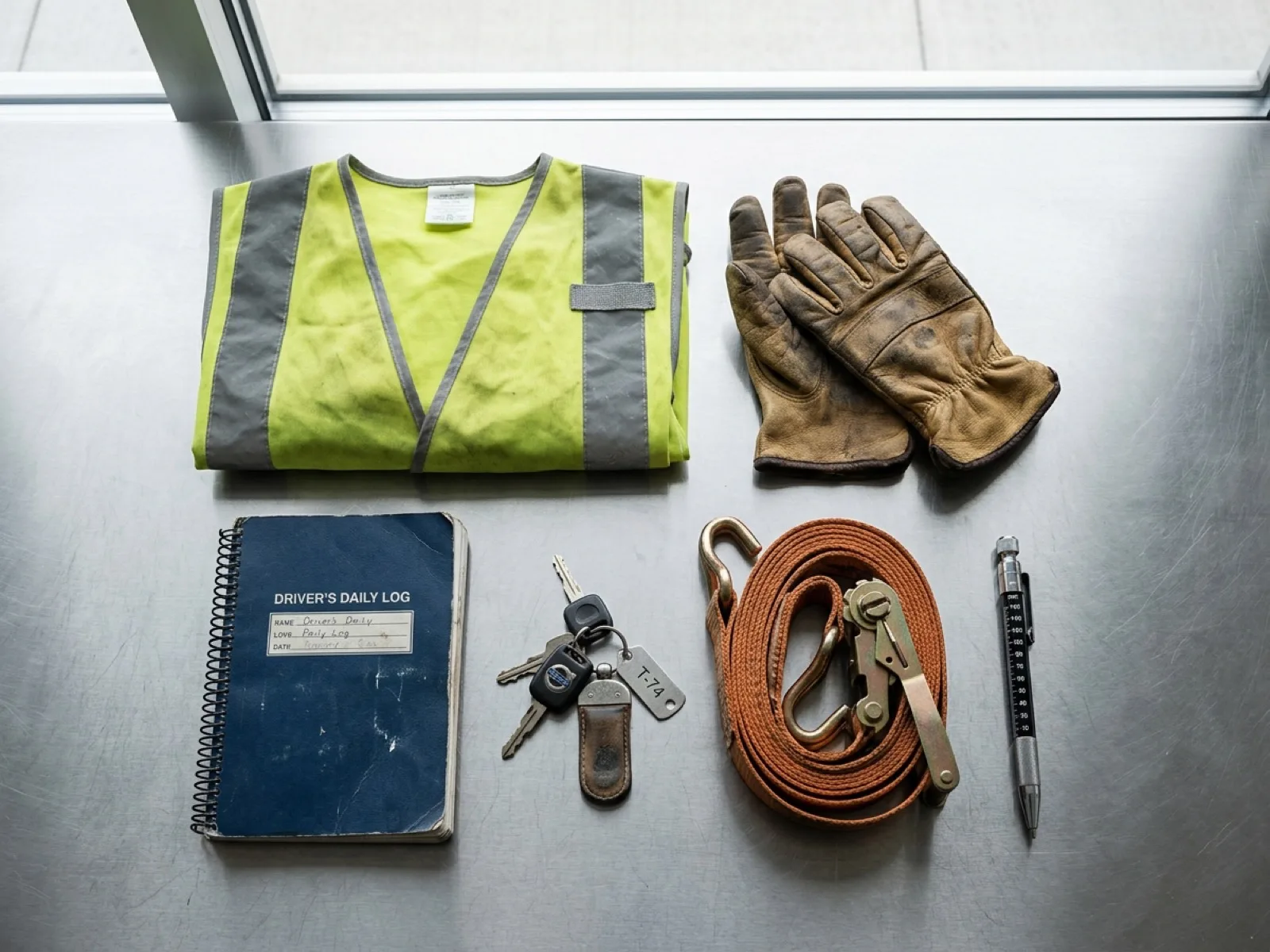
Logistics hires turn on licence conversion and driving record. Upforce sources candidates whose home-country licence class maps cleanly to the Alberta conversion path, and our partner offices collect the original licence, the driving abstract and multi-year employment references before shortlist. We document the conversion timeline in the written proposal so you know when the hire is billable at full scope. Immigration filing is handled by our licensed RCIC partners. See the full five-step process.
Logistics hiring FAQ
Common questions from Alberta carriers and distributors.
How long does it take to hire an international Class 1 driver in Alberta?
5 to 8 months from written engagement to landing via LMIA where the work location is outside the restricted census metropolitan areas, plus roughly 6 to 10 weeks post-arrival for Alberta licence conversion and the road test. Timelines depend on IRCC processing, which we do not control.
Can an international driver use their home-country licence in Alberta?
Not for commercial work at full scope. The driver converts to an Alberta commercial licence after arrival, which includes Mandatory Entry-Level Training requirements and a road test where applicable. Upforce sources candidates whose existing licence class maps cleanly to that path so the conversion is short and predictable.
Is Class 1 on Alberta’s provincial demand list?
Yes. That makes it one of the more predictable international hires in the province and allows the LMIA pathway to be paired with an AAIP nomination for retention. Eligibility for any specific nomination is assessed by our licensed RCIC partners, not by Upforce.
How fast can we fill warehouse and forklift roles?
Faster than driving roles. Forklift certification in Alberta is employer-issued and takes days. Where the candidate is francophone and the role qualifies, Mobilité Francophone can land a warehouse hire in 6 to 10 weeks.
How much does it cost to hire an international logistics worker through Upforce?
Placement fees for logistics roles are scoped between $2,500 and $4,000 via LMIA depending on the role and licence class, and from $1,000 via Mobilité Francophone. Government fees are separate.
Can we hire a full crew in one engagement?
Yes. Multi-hire waves are common in logistics and get one written proposal and one Edmonton point of contact. We recommend grouping by category — drivers together, warehouse together — because the licensing timelines differ.
Hire smarter. Start in 24 hours.
Tell us which driving or warehouse role you need to fill. We reply with a written proposal: pathway recommendation, candidate profile target, timeline, licence-conversion math and pricing.